
Welcome to the World Congress on Autism Research, Neurodiversity & Brain Health
The World Congress on Autism Research, Neurodiversity & Brain Health will be held on September 17–18, 2026, as a Global Webinar bringing together leading researchers, clinicians, educators, psychologists, and healthcare professionals dedicated to advancing autism research and neurodevelopmental science.
Under the theme “Advancing Autism Research, Neurodiversity and Brain Health,” the congress will highlight the latest breakthroughs in autism spectrum disorder research, early diagnosis and intervention, behavioral therapies, neurodevelopment, and inclusive healthcare practices.
This international event will feature keynote presentations, scientific sessions, research presentations, and interactive discussions, providing a global platform for sharing knowledge, exploring innovations, and fostering collaboration in autism and brain health research.
Join experts from around the world to exchange ideas, present research, and contribute to the future of autism care and neurodiversity awareness.
Warm Regards,
Andrea Davis | Conference Coordinator
Autism Research Conferences
Distinguished OCM Members
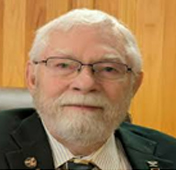
Orien L Tulp
University of Science Arts and Technology, USA

Magnus S. Magnusson
University of Iceland, Iceland
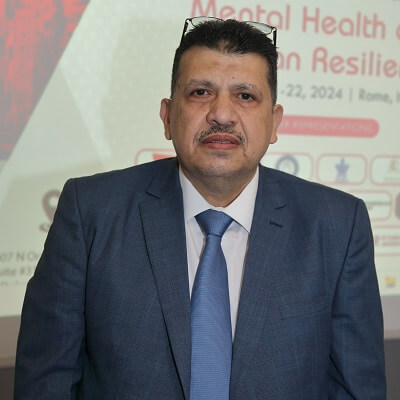
Dr Ibrahim El- Bayoumy
Professor, Tanta University, Egypt

Saroj Dubey
Kailash Hospital Noida, India

Anju Kaushal
NZOQ (New Zealand Organization for Quality) & Panjab University, New Zealand
Who should attend the conference:
The World Congress on Autism Research, Neurodiversity & Brain Health welcomes professionals and individuals interested in advancing autism research and neurodevelopmental science. This conference is ideal for:
- Neurologists and Neuroscientists
- Psychiatrists and Psychologists
- Autism Researchers and Clinicians
- Pediatricians and Healthcare Professionals
- Behavioral Therapists and Speech Therapists
- Special Education Teachers and Educators
- Occupational Therapists and Rehabilitation Specialists
- Academic Researchers and University Scholars
- Healthcare Policy Makers and Public Health Professionals
- Students and Early Career Researchers in Neuroscience and Mental Health
This global webinar offers an excellent opportunity for participants to learn from experts, share research, build collaborations, and explore innovative approaches in autism care and brain health.
Key Highlights
The World Congress on Autism Research, Neurodiversity & Brain Health will feature comprehensive scientific sessions covering the latest developments in autism research, neurodevelopment, and brain health.
Autism Spectrum Disorder (ASD) Research
This session focuses on the latest research related to Autism Spectrum Disorder and its underlying causes. Experts will discuss recent findings in behavioral, clinical, and neurological studies. The goal is to advance scientific understanding and improve diagnosis and treatment strategies.
Neurodevelopment and Brain Function
This track explores how brain development influences cognitive, behavioral, and social functions in individuals with autism. Researchers will present studies on neural pathways and developmental patterns. Discussions will highlight how brain science supports better therapeutic approaches.
Early Diagnosis and Early Intervention
Early identification of autism plays a crucial role in improving developmental outcomes. This session will examine screening tools, diagnostic methods, and early support strategies. Experts will also share evidence-based intervention programs for young children.
Behavioral and Cognitive Therapies for Autism
This track highlights therapeutic methods that support communication, learning, and behavior in individuals with autism. Specialists will discuss applied behavior analysis, cognitive therapies, and intervention models. The session aims to improve therapy practices and outcomes.
Neurodiversity and Inclusive Education
This session focuses on promoting acceptance and inclusion for individuals with autism in education and society. Experts will discuss inclusive teaching methods and supportive learning environments. The discussion encourages recognition of neurodiversity as a strength.
Autism Genetics and Neuroscience
This track examines the genetic and neurological factors associated with autism. Researchers will present discoveries related to genetic markers and brain structure differences. These insights help advance personalized treatment and early diagnosis.
Assistive Technologies for Autism
Technology plays an important role in supporting communication and learning for individuals with autism. This session will explore digital tools, assistive devices, and innovative educational technologies. Experts will demonstrate how technology enhances independence and development.
Mental Health and Emotional Wellbeing in Autism
Mental health challenges such as anxiety and depression are common among individuals with autism. This session will discuss psychological support strategies and emotional wellbeing programs. Experts will focus on improving quality of life and social support systems.
Speech and Language Therapy for Autism
Communication challenges are a key area of support for individuals with autism. This session will highlight speech therapy techniques, communication tools, and language development strategies. Experts will discuss effective interventions for improving social communication skills.
Occupational Therapy and Rehabilitation Approaches
Occupational therapy helps individuals with autism develop daily living and motor skills. This track will explore sensory integration therapy and rehabilitation techniques. Experts will share methods that improve independence and functional abilities.
Key Takeaways
- Neurologists & Neuroscientists
Experts interested in brain development, neuroscience, and autism research. - Psychiatrists, Psychologists & Therapists
Professionals working in mental health and behavioral therapies for autism support. - Pediatricians & Child Development Specialists
Doctors focused on early diagnosis and developmental care for children with autism. - Educators & Special Education Professionals
Teachers and therapists supporting inclusive education and learning strategies. - Researchers & Healthcare Policymakers
Academicians and experts advancing autism research and global brain health initiatives.
- Learn from Global Experts
Gain insights from leading researchers and clinicians in autism research, neurodiversity, and brain health. - Discover Latest Research
Explore new discoveries, therapies, and innovations in autism spectrum disorder and neurodevelopment. - Networking Opportunities
Connect with international experts, researchers, and professionals working in autism and neuroscience. - Share Knowledge & Research
Present your research, exchange ideas, and collaborate on advancing autism care and support.
- Expert Keynote Sessions
Learn from renowned experts sharing the latest advancements in autism research, neurodiversity, and brain health. - Global Networking
Connect with international researchers, clinicians, and professionals working in autism and neuroscience. - Research Presentation Opportunities
Present your research through oral or poster sessions and gain valuable academic recognition. - Access to Latest Innovations
Explore emerging therapies, technologies, and scientific discoveries shaping the future of autism care.
Mode of Participation
A Keynote Speaker is a recognized expert or thought leader who delivers the main presentation at the conference, highlighting the central theme of the event. They share valuable insights, research findings, and innovative ideas related to autism research, neurodiversity, and brain health.
Keynote speakers are selected for their expertise and ability to inspire the audience, stimulate meaningful discussions, and provide direction for the scientific sessions, panel discussions, and collaborative exchanges throughout the conference.
A speaker is an individual who presents a talk, paper, or research findings during an webinar. They share their expertise, experiences, and insights with the audience, often providing valuable information and sparking meaningful discussions. Speakers can range from experts in their field to thought leaders, researchers, or practitioners, and play a crucial role in engaging and informing the audience.
A Delegate is a participant who attends the conference to gain knowledge, learn about the latest research, and engage with experts in the field of autism research, neurodiversity, and brain health. Delegates take part in keynote sessions, scientific presentations, panel discussions, and networking activities.
They interact with speakers and fellow participants, contributing to knowledge sharing, professional collaboration, and meaningful discussions throughout the conference.
A Poster Presentation is a visual format used to present research studies, projects, or innovative ideas. Presenters display their work on a poster highlighting key objectives, methodology, results, and conclusions.
This format encourages interactive discussions, allowing attendees and experts to engage directly with the authors, exchange ideas, and provide valuable feedback on the research.
An E-poster Presentation is a digital display of research, projects, or ideas presented electronically, often through a screen or online platform. E-posters typically include visuals, text, and sometimes multimedia elements, allowing authors to showcase their work in an engaging and interactive way. This format enables attendees to explore and interact with the content digitally, often through touchscreens, laptops, or mobile devices.
Market Analysis: Autism Research & Neurodevelopment Sector
The global autism research and neurodevelopment sector is rapidly growing due to increasing awareness of Autism Spectrum Disorder (ASD) and the rising demand for early diagnosis, therapy, and brain health research. Advances in neuroscience, behavioral therapy, AI-based diagnostics, and digital health technologies are driving innovation in autism care. Governments, healthcare organizations, and research institutions are investing significantly in autism studies and intervention programs. International conferences play a vital role in sharing research findings, promoting collaboration, and advancing global efforts in autism research, neurodiversity, and brain health.