About the Conference
Welcome to the Global Summit on Addiction Psychiatry & Mental Health
It is my great pleasure to welcome you to the Global Summit on Addiction Psychiatry & Mental Health, to be held in March 2027.
I am honored to serve as a Keynote Speaker and Scientific Committee Member for this important international summit and am delighted to welcome colleagues, researchers, clinicians, educators, addiction specialists, and mental health professionals from around the world.
The Global Summit on Addiction Psychiatry & Mental Health offers far more than an opportunity to present research. It provides a meaningful international forum for collaboration, shared learning, and the exchange of ideas that can contribute to advances in addiction psychiatry, mental health care, education, and scientific discovery.
As our understanding of addiction and mental health continues to evolve, interdisciplinary and international dialogue remains essential. Bringing together diverse perspectives can help explore emerging challenges, innovative approaches, and evidence-based practices while encouraging meaningful scientific collaboration.
Participants can look forward to an engaging scientific program featuring emerging research, innovative perspectives, clinical insights, and advances in addiction psychiatry and mental health. Equally valuable will be the opportunities to build professional connections, engage in thoughtful discussions, and learn from the expertise and experiences of colleagues from across the globe.
I look forward to welcoming you to this inspiring global gathering, where we can exchange knowledge, foster collaboration, encourage new ideas, and contribute to the continued advancement of addiction psychiatry and mental health worldwide.
We look forward to welcoming you and making this summit a meaningful and enriching scientific experience.
Renowned Speakers
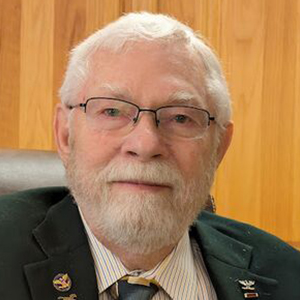
Orien L Tulp
University of Science Arts and Technology, USA

Amina Tebaa
Pharmacovigilance Responsible in Public Health Programs, Morocco

Sandra Gunhild Erika Möhr
REHAB Basel, Switzerland

Cecilia Castro
University of Minho, Portugal

Caryn Fenner
Afrigen Biologics, South Africa
Who should attend the conference:
The Global Summit on Addiction Psychiatry & Mental Health welcomes professionals, researchers, academics, healthcare practitioners, and students interested in addiction, psychiatry, behavioral health, and mental health research.
- Psychiatrists and Mental Health Professionals
- Addiction Psychiatrists and Addiction Medicine Specialists
- Psychologists and Clinical Psychologists
- Psychotherapists, Counselors, and Behavioral Health Specialists
- Neurologists and Neuroscientists
- Psychiatric Nurses and Healthcare Professionals
- Social Workers and Rehabilitation Specialists
- Researchers and Clinical Researchers
- Medical Doctors and Healthcare Practitioners
- University Professors, Academics, and Educators
- Public Health Professionals and Policymakers
The summit provides an international platform to exchange research, discuss clinical approaches, explore emerging developments, and build professional collaborations in addiction psychiatry and mental health.
Key Highlights
-
- Addiction Psychiatry & Mental Health
Explore the latest advances in addiction psychiatry and mental-health research.
Discuss innovative approaches to diagnosis, treatment, prevention, and recovery.
Share clinical experiences and research findings from around the world.- Neurobiology of Addiction & Brain Health
Explore the neurological mechanisms involved in addiction and recovery.
Discuss genetics, brain function, neurodevelopment, and behavioral neuroscience.
Highlight new discoveries connecting neuroscience with clinical practice.- Substance Use Disorders & Emerging Addictions
Discuss current research on alcohol, opioids, stimulants, tobacco, and other substances.
Explore emerging patterns of substance use and their impact on mental health.
Present new approaches to prevention, treatment, and long-term recovery.- Behavioral Addictions & Digital Dependency
Explore behavioral addictions including gambling, gaming, internet, and social-media dependency.
Examine the psychological, neurological, and social factors associated with these conditions.
Discuss innovative strategies for assessment, prevention, and treatment.- Dual Diagnosis & Co-Occurring Disorders
Explore the relationship between addiction and psychiatric conditions such as depression, anxiety, PTSD, and psychosis.
Discuss integrated approaches to assessment, diagnosis, and treatment.
Present research addressing the complex needs of individuals with co-occurring disorders.- Innovative Treatments & Precision Addiction Medicine
Explore emerging pharmacological, psychological, and personalized treatment approaches.
Discuss biomarkers, precision medicine, clinical trials, and novel therapeutic strategies.
Highlight research aimed at improving treatment effectiveness and patient outcomes.- AI, Digital Psychiatry & Addiction Care
Explore the growing role of artificial intelligence and digital technologies in addiction care.
Discuss digital therapeutics, telepsychiatry, predictive tools, and personalized interventions.
Examine the opportunities, challenges, ethics, and future potential of these technologies.- Trauma, Stress & Addiction
Explore the complex relationship between trauma, stress, mental health, and addictive behaviors.
Discuss trauma-informed approaches to assessment, treatment, and recovery.
Present research on resilience, prevention, and long-term psychological well-being.- Youth, Adolescent & Family Mental Health
Explore addiction and mental-health challenges affecting children, adolescents, and young adults.
Discuss early intervention, family influences, developmental factors, and prevention strategies.
Share innovative approaches to supporting young people and their families.- Autism, Neurodiversity & Mental Health
Explore the relationship between autism, neurodiversity, and mental health.
Discuss co-occurring psychiatric conditions, behavioral health, early intervention, and personalized support.
Encourage collaboration between autism researchers, psychiatrists, psychologists, and clinicians.- Addiction Recovery, Relapse & Harm Reduction
Explore contemporary approaches to addiction recovery and relapse prevention.
Discuss harm reduction, rehabilitation, community support, and long-term recovery strategies.
Share evidence-based approaches for improving recovery outcomes.- Psychiatric Genetics, Biomarkers & Personalized Care
Explore genetic and biological factors associated with addiction and mental-health conditions.
Discuss emerging biomarkers that may support diagnosis, treatment selection, and prognosis.
Highlight the potential of personalized approaches in psychiatric care.- Public Health, Prevention & Global Addiction Psychiatry
Explore addiction and mental health from a global public-health perspective.
Discuss prevention, healthcare access, stigma, social determinants, and health inequalities.
Share international experiences and strategies for improving population mental health.- Psychopharmacology & Clinical Neuroscience
Explore advances in psychopharmacology and medication-based approaches to psychiatric disorders.
Discuss novel therapeutic targets, treatment response, safety, and clinical neuroscience.
Present translational research connecting laboratory discoveries with patient care.- Future Directions in Addiction Psychiatry & Mental Health
Explore emerging discoveries and innovative concepts shaping the future of the field.
Discuss new research priorities, technologies, therapies, and interdisciplinary approaches.
Create opportunities for international researchers to exchange ideas and develop collaborations.
Attending the 5th Global Summit on Addiction Psychiatry & Mental Health provides an opportunity to:
✨ Explore emerging research in addiction psychiatry and mental health
✨ Learn from international experts and experienced practitioners
✨ Present your research, clinical work, or innovative approaches
✨ Discover developments in addiction treatment, prevention, and recovery
✨ Exchange knowledge across psychiatry, psychology, neuroscience, and behavioral health
✨ Build professional connections with researchers and healthcare professionals worldwide
✨ Discuss emerging challenges and evidence-based approaches in addiction care
✨ Contribute to international scientific dialogue on addiction and mental health
Day 1 – March 11, 2027 | Webinar
9:00 AM – Opening Remarks & Welcome Address
Introduction to the summit, scientific program, and key themes in addiction psychiatry and mental health.
9:30 AM – Keynote: Emerging Frontiers in Addiction Psychiatry
Current advances in understanding addiction, psychiatric comorbidities, prevention, and evidence-based care.
11:00 AM – Expert Panel: Understanding Substance Use Disorders & Dual Diagnosis
Discussion on co-occurring psychiatric conditions, clinical assessment, treatment pathways, and integrated care.
1:00 PM – Scientific Session: Innovative Approaches to Addiction Treatment & Recovery
Research and clinical perspectives on pharmacological interventions, psychotherapy, rehabilitation, and relapse prevention.
3:00 PM – Case Studies: Complex Addiction & Mental Health Presentations
Real-world clinical cases highlighting assessment, intervention, recovery planning, and multidisciplinary approaches.
Day 2 – March 12, 2027 | Webinar
9:00 AM – Keynote: Neurobiology, Mental Health & the Science of Addiction
Exploring brain mechanisms, behavioral factors, psychiatric comorbidities, and emerging research directions.
10:30 AM – Roundtable: Prevention, Recovery & Community-Based Addiction Care
International perspectives on prevention strategies, recovery support, family involvement, and community mental health services.
1:00 PM – Interactive Session: Digital Innovation in Addiction & Mental Healthcare
Exploring telepsychiatry, digital interventions, technology-enabled treatment, and emerging approaches to patient support.
2:30 PM – Closing Session: Future Directions in Addiction Psychiatry & Mental Health
Key scientific takeaways, emerging research priorities, international collaboration, and opportunities for continued professional engagement.
Speaker
- Access to scientific presentations from international experts
- Opportunities to present research and clinical findings
- Exposure to emerging developments in addiction psychiatry
- Knowledge exchange across multiple disciplines
- Opportunities for professional networking and collaboration
- Certificate of participation or presentation
- Interactive discussions and Q&A sessions
- Insights into current research, treatment approaches, and future directions
- Professionals attending the summit to learn, participate in scientific discussions, connect with international colleagues, and explore current developments in addiction psychiatry and mental health.
- Receive an official certificate of participation suitable for academic or professional use.
- Take part in interactive Q&A sessions, workshops, and expert panel discussions.
- Access recorded sessions on-demand for extended learning after the conference.
- Connect with peers, researchers, industry leaders, and global organizations to expand your professional network.
- Present your research, clinical studies, case reports, or innovative work through a live virtual poster presentation followed by discussion and interaction with participants.
- Interact with attendees in real time and gain constructive feedback from specialists.
- Receive a digital certificate acknowledging your scientific contribution.
- Selected abstracts may be featured in the conference proceedings or the digital abstract compendium.
- Stand a chance to win the “Best Poster Presentation” award.
- Network with industry leaders, researchers, and policymakers to build meaningful professional collaborations
- Your poster will be displayed online for all attendees to view throughout the event.
- Featured in the virtual poster gallery accessible before, during, and after the event.
- Receive input and questions from attendees through interactive comment features.
- Certificate of e-poster presentation included.
- Eligible abstracts may be published in the e-conference proceedings.
- No need to present live—your work speaks for itself in a digital format.
Market Analysis 2026–2030
The global addiction and substance-use treatment sector is expected to experience continued growth from 2026 to 2030, supported by increasing demand for evidence-based treatment, rehabilitation services, behavioral therapies, digital care, and integrated mental health support.
Recent market research estimates vary by market definition. The Business Research Company projects the global drug addiction treatment market to increase from US$25.17 billion in 2026 to US$36.32 billion by 2030, representing a 9.6% CAGR. Its broader substance abuse and addiction treatment market estimate projects growth from US$14.32 billion in 2026 to US$21.31 billion in 2030, at a 10.4% CAGR.
Key Market Trends, 2026–2030
- Integrated Addiction & Mental Healthcare: Increasing emphasis on addressing substance-use disorders alongside co-occurring psychiatric conditions.
- Personalized Treatment: Greater focus on individualized treatment plans, medication-assisted treatment, psychotherapy, and long-term recovery support.
- Digital & Telehealth Services: Expansion of digital platforms, telepsychiatry, virtual counseling, remote monitoring, and technology-enabled recovery services.
- Community-Based Care: Continued development of outpatient, community-based, and recovery-oriented models of care.
- Relapse Prevention & Long-Term Recovery: Growing attention to continuous support, aftercare, behavioral interventions, and relapse monitoring.
- Research & Innovation: Ongoing development of new therapeutic approaches and improved understanding of the neurobiology and psychology of addiction.
WHO’s global work on mental health and substance use also emphasizes expanding access to affordable, high-quality, evidence-based care and strengthening services for people with substance-use and other mental health conditions.
Outlook to 2030
The 2026–2030 period is expected to see continued development across addiction psychiatry, substance-use disorder treatment, behavioral health, digital mental healthcare, rehabilitation, and recovery services. These developments create an important environment for researchers, clinicians, healthcare organizations, academics, technology providers, and policymakers to exchange knowledge and discuss emerging approaches to addiction and mental health care.
Media partners & Collaborators & Sponsors