Welcome Message
It is our great pleasure to welcome you to the International Conference on Autism Research and Innovations , scheduled to take place on September 17–18, 2026, in the vibrant and historic city of Madrid, Spain. The main theme of the conference is “Next-Generation Autism Research: Science, Technology, and Care.” We are delighted to bring together a diverse global community of researchers, clinicians, educators, advocates, families, and individuals on the autism spectrum for two engaging days of learning and collaboration.
This conference provides a vibrant platform to explore the latest developments in autism research, early diagnosis, intervention methods, behavioral science, education, assistive technologies, and community-based support. Our mission is to promote a deeper, more inclusive understanding of neurodevelopmental diversity while highlighting practical strategies that improve everyday outcomes for individuals with autism.
The program features keynote lectures from leading experts, interactive panel discussions, oral and poster presentations, and hands-on workshops that address needs across all stages of life. This year’s focus on inclusion, empowerment, and innovation reflects Europe’s strong commitment to advancing autism knowledge and enhancing quality of care.
Set against the culturally rich and welcoming backdrop of Madrid, the conference offers an ideal setting to exchange ideas, build collaborations, and experience the city’s heritage and hospitality.
We look forward to welcoming you to Madrid for an inspiring and impactful Autism Conference 2026.
Warm Regards,
Grace | Autism Conference 2026
Renowned Speakers
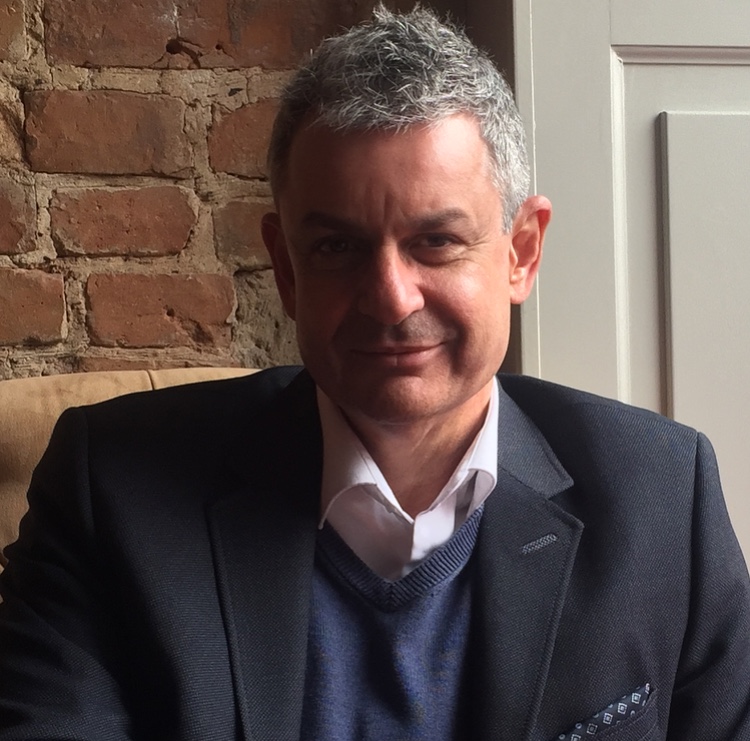
Sam Vaknin
Commonwealth Institute of Advanced Professional Studies

Amina Tebaa
Pharmacovigilance Responsible in Public Health Programs, Morocco
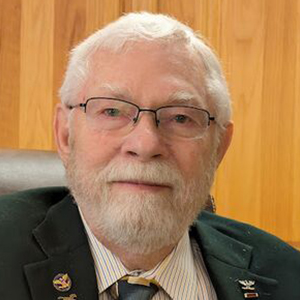
Orien L Tulp
University of Science Arts and Technology, USA
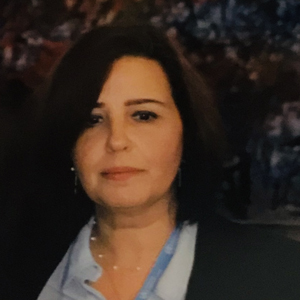
Sandra Gunhild Erika Möhr
REHAB Basel, Switzerland
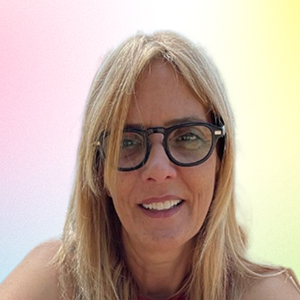
Cecilia Castro
University of Minho, Portugal
Who should attend the conference:
The Autism Conference 2026 welcomes autism researchers, clinicians, therapists, special educators, academic professionals, assistive technology experts, social workers, policy makers, advocacy groups, and non-profit leaders. Parents, caregivers, and individuals on the autism spectrum are also encouraged to join. This event is ideal for anyone committed to advancing autism research, care, and inclusive support.
Key Highlights
Autism, Mental Health, and Emotional Well-Being
Covers co-occurring conditions like anxiety, depression, and emotional regulation. Focuses on holistic, therapeutic approaches for mental well-being. Aims to strengthen emotional resilience and supportive care models.
Advances in Autism Diagnosis and Screening
Explores innovations in early detection, AI tools, and assessment methods. Emphasizes improving diagnostic accuracy and timely evaluations. Supports equitable access to quality diagnostic services worldwide.
Early Intervention Strategies and Developmental Therapies
Highlights evidence-based interventions such as ABA, speech, and OT. Focuses on personalized care for communication and social development. Aims to enhance developmental outcomes through early support.
Autism and Education: Inclusive Learning Models
Examines inclusive teaching strategies and classroom accommodations. Supports academic success and emotional well-being for autistic students. Promotes accessible learning environments across all education levels.
Behavioral Science and Social Development in Autism
Covers behavioral patterns, social challenges, and emotional regulation. Provides tools to strengthen communication and reduce difficulties. Focuses on building confidence through evidence-based behavioral support.
Technology, AI, and Assistive Innovation in Autism
Showcases AI tools, apps, AAC devices, VR/AR, and robotics. Highlights technology’s role in independence and communication. Aims to transform therapy and support through digital innovation.
Autism Across the Lifespan: Adolescence to Adulthood
Focuses on transitions, identity, and mental well-being. Addresses career readiness, relationships, and independence. Supports lifelong inclusion and long-term developmental planning.
Family Support, Caregiving, and Community Engagement
Explores caregiver well-being, stress management, and family engagement. Highlights building stronger support systems and service access. Aims to empower families throughout their autism journey.
Sensory Processing and Adaptive Behavior
Covers sensory sensitivities and regulation strategies. Provides methods for sensory integration and environment adjustments. Supports comfort, functioning, and engagement across daily settings.
Communication, Language Development, and AAC
Focuses on speech development, communication barriers, and AAC tools. Supports personalized approaches for expressive and receptive language. Aims to enhance independence and meaningful interaction.
Genetics, Neuroscience, and Biological Foundations of Autism
Examines genetic, neurological, and biological aspects of autism. Highlights biomarkers, brain development, and sensory differences. Provides scientific insights to guide future research directions.
Social Inclusion, Rights, and Policy Development
Addresses disability rights, policy advancement, and reducing stigma. Promotes equitable systems and accessible community participation. Aims to build societies that embrace neurodiversity with fairness.
Employment, Vocational Training, and Independent Living
Covers job readiness, skills training, and workplace inclusion. Supports pathways to employment and long-term independence. Aims to empower autistic adults with sustainable career opportunities.
Autism Research, Clinical Trials, and Global Collaboration
Explores new research methods, trial outcomes, and global partnerships. Encourages standardized protocols and data-sharing initiatives. Strengthens international networks to advance autism science.
Neurodiversity, Strength-Based Approaches, and Quality of Life
Celebrates strengths, talents, and diverse thinking styles. Focuses on empowerment, authenticity, and personal fulfillment. Promotes environments that value individuality and quality of life.
- Stay Updated on Latest Developments: Learn about the newest research, diagnostic innovations, intervention strategies, assistive technologies, and global trends in autism care and neurodevelopmental science.
- Expert Insights: Hear from leading autism researchers, neuroscientists, clinicians, therapists, educators, and advocates as they share breakthroughs, experiences, and real-world applications.
- Networking Opportunities: Connect with professionals across autism research, clinical practice, education, therapy, assistive technology, advocacy, and community support for meaningful collaboration.
- Continuing Education: Earn participation certificates that support professional growth, continuing education, and updated knowledge in autism studies, intervention methods, and inclusive practices.
- Improved Patient Care: Gain practical, evidence-based strategies to enhance outcomes in early intervention, behavioral support, communication development, and daily living skills.
- Access to Resources: Receive access to presentation materials, case studies, intervention guidelines, policy updates, and the latest published research in autism science and care.
- Interactive Discussions: Engage in Q&A sessions, workshops, panel discussions, and hands-on demonstrations guided by global experts and multidisciplinary professionals.
- Career Advancement: Stay competitive in your field, discover new career pathways, build global connections, and expand opportunities in clinical care, research, education, and advocacy.
Day 1 – September 17, 2026 | Autism Conference 2026
9:00 AM – Opening Remarks & Welcome Address
9:30 AM – Keynote: Breakthroughs in Autism Research & Inclusive Practices
11:00 AM – Panel: Early Diagnosis & Global Access to Intervention
1:00 PM – Workshop: Strength-Based Early Development Strategies
3:00 PM – Case Study: Assistive Technologies Enhancing Communication
Day 2 – September 18, 2026 | Autism Conference 2026
9:00 AM – Keynote: Neurodiversity & Support Across the Lifespan
10:30 AM – Roundtable: Autism Rights, Policy & Community Inclusion
1:00 PM – Interactive Session: Telehealth & Digital Access to Services
2:30 PM – Closing Session: Global Collaboration in Autism Research
-
Showcase Your Expertise: Present your research, insights, or innovations to a global audience of professionals and advocates.
-
Global Recognition: Get featured in event promotions, program materials, and the official conference website.
-
High-Level Networking: Connect with keynote speakers, researchers, clinicians, educators, and industry leaders.
-
Publication Opportunities: Submit your work for inclusion in conference proceedings or an e-journal (if applicable).
-
Speaker Certification: Receive an official certificate recognizing your contribution.
-
Session Access: Enjoy free access to all session recordings for continued learning.
-
Exclusive Access: Early entry to networking rooms, panel discussions, and speaker forums.
- Latest Knowledge: Learn about cutting-edge research, tools, therapies, and global advancements in autism care and support.
- Expert Interaction: Engage directly with specialists through Q&A sessions, panels, and workshops.
- Skill Enhancement: Gain practical skills and evidence-based strategies to apply in clinical, educational, or community settings.
- Certification: Receive a participation certificate to support professional growth and continuing education.
- Networking Opportunities: Build connections with global attendees, experts, researchers, and organizations.
- Resource Access: Receive access to presentation slides, case studies, guidelines, and research materials.
- Career Growth: Explore new opportunities, collaborations, and pathways in research, education, policy, and healthcare.
- Present your research to a global audience of autism specialists, clinicians, educators, therapists, and advocates.
- Engage with attendees in real time and receive expert feedback to strengthen your work.
- Earn an official digital certificate recognizing your poster presentation at the conference.
- Eligible abstracts may be included in the conference proceedings or digital abstract book.
- Opportunity to compete for the “Best Poster Presentation” award.
- Connect with researchers, practitioners, and organizations to build meaningful collaborations and future projects.
- Your poster will be displayed online for all attendees to view throughout the event.
- Featured in the virtual poster gallery accessible before, during, and after the event.
- Receive input and questions from attendees through interactive comment features.
- Certificate of e-poster presentation included.
- Eligible abstracts may be published in the e-conference proceedings.
- No need to present live—your work speaks for itself in a digital format.
Autism Market Analysis
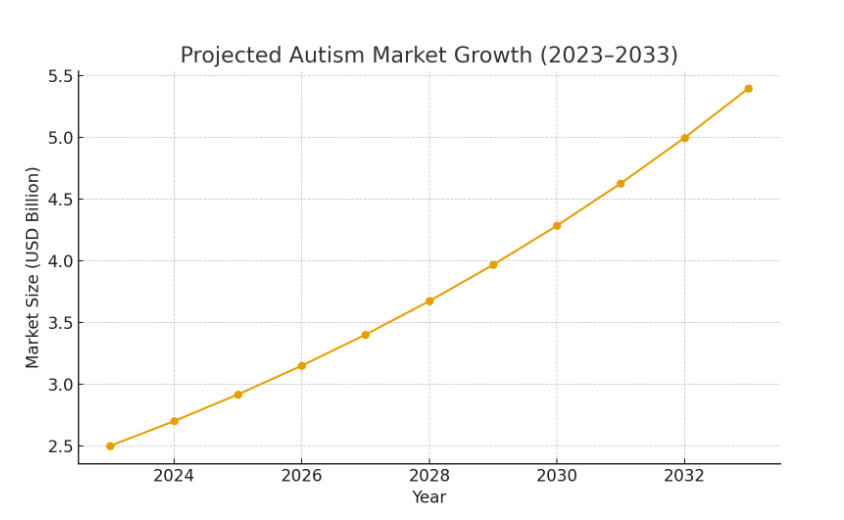
The global autism spectrum disorder (ASD) market is experiencing significant growth due to rising awareness, increasing diagnosis rates, and expanding access to specialized care. Valued at around USD 2–3 billion in 2023, the market is projected to grow steadily through 2033, driven by the demand for early intervention therapies, behavioral treatments, and advanced diagnostic tools.
Key factors fueling this growth include improved screening technologies, growing research on neurodevelopmental disorders, and higher investments in educational and therapeutic programs. The rise of digital therapeutics, AI-based diagnostic systems, teletherapy platforms, and personalized treatment models is reshaping autism care worldwide.
North America leads the market due to established healthcare infrastructure and strong research funding, while the Asia-Pacific region is expected to be the fastest-growing market, driven by increasing awareness, supportive government policies, and expanding pediatric healthcare services in India, China, and Southeast Asia.
Despite challenges such as high therapy costs and limited access in rural regions, the autism market continues to expand, creating strong opportunities for global conferences, research collaborations, technology showcases, and professional training over the next decade.
Madrid, Spain – Conference Destination
Madrid, the capital of Spain, is a leading European hub for international conferences, known for its modern infrastructure, excellent connectivity, and rich cultural heritage. The city offers world-class conference venues, renowned universities, and a vibrant research and business ecosystem. With seamless global access and a pleasant climate, Madrid provides an ideal environment for knowledge exchange, professional networking, and meaningful collaboration.
Beyond its professional appeal, Madrid captivates visitors with its beautiful landmarks and lively atmosphere. The city is home to iconic attractions such as the Royal Palace of Madrid, the historic Plaza Mayor, the world-famous Prado Museum, and the lush Retiro Park—perfect for relaxing between conference sessions. Charming streets, elegant architecture, vibrant plazas, and a rich culinary scene add to the city’s unique charm. From art and history to music, food, and nightlife, Madrid offers unforgettable cultural experiences, making every conference visit both productive and memorable.
Media partners & Collaborators & Sponsors